Introduction to Lithium-ion Batteries
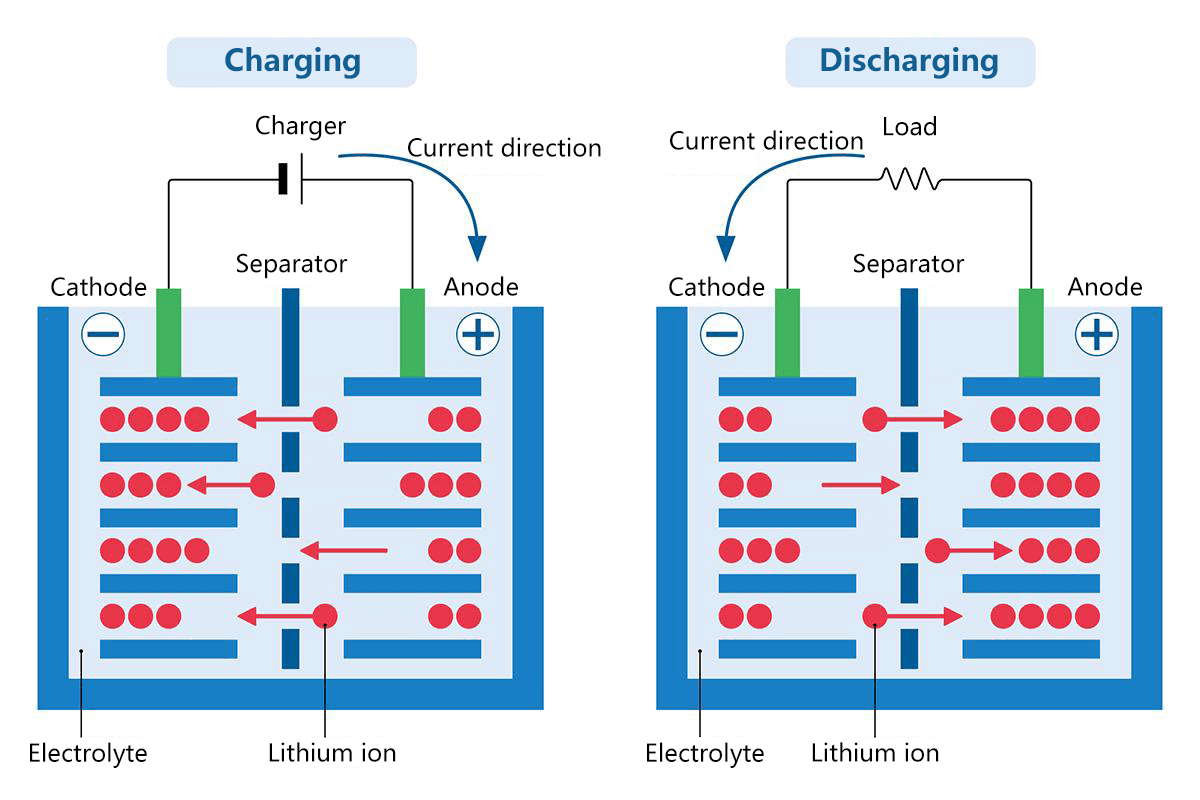
The lithium-ion battery is a type of rechargeable battery composed of an anode, a cathode, a separator, an electrolyte, and a case. It operates primarily through the movement of lithium ions between the cathode and anode. During charging, lithium ions are extracted from the cathode, travel through the electrolyte, and are inserted into the anode, placing the anode in a lithium-rich state while electrical energy is converted into chemical energy for storage. During discharging, the process is reversed, with the stored chemical energy converted back into electrical energy for release. Compared to dry-cell batteries and lead-acid batteries, lithium-ion batteries offer advantages such as high energy density, long cycle life, low self-discharge rate, and no memory effect. They are widely used in consumer electronics, electric vehicles, energy storage systems, and industrial applications. According to reports from organizations such as IEA (International Energy Agency), China produces over 75% of the world’s lithium-ion batteries, supported by the most comprehensive industry chain and the largest market.
British scientist Stanley Whittingham created the world’s first lithium-ion battery in the 1970s by using titanium sulfide as the cathode and lithium metal as the anode, thereby establishing the working principle of lithium-ion batteries. American scientist John Goodenough, in the 1980s and 1990s, used lithium cobalt oxide and lithium iron phosphate as the cathodes, significantly improving the safety and energy density of lithium-ion batteries and laying the technical foundation for their commercialization. Japanese scientist Akira Yoshino, in the 1980s, successfully developed the world’s first safe, rechargeable, and performance-stable prototype of the modern lithium-ion battery by using lithium cobalt oxide as the cathode and petroleum coke as the anode. Consequently, Sony of Japan became the first company to commercialize lithium-ion batteries in 1991. For their outstanding contributions to the development of lithium-ion batteries, Stanley Whittingham, John Goodenough, and Akira Yoshino were jointly awarded the Nobel Prize in Chemistry in 2019.
Classification of Lithium-ion Batteries
Classified by Form
Cell
Module
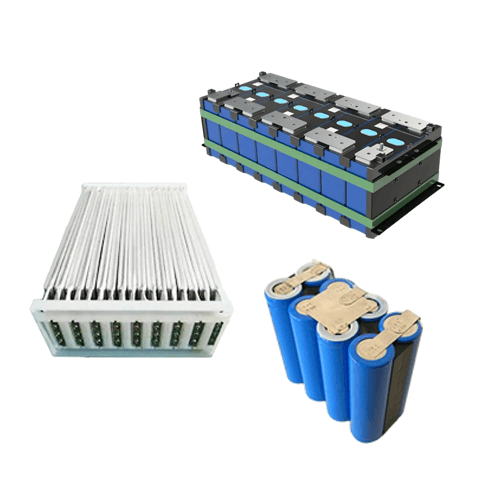
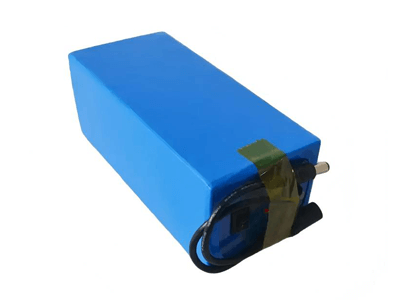
PACK
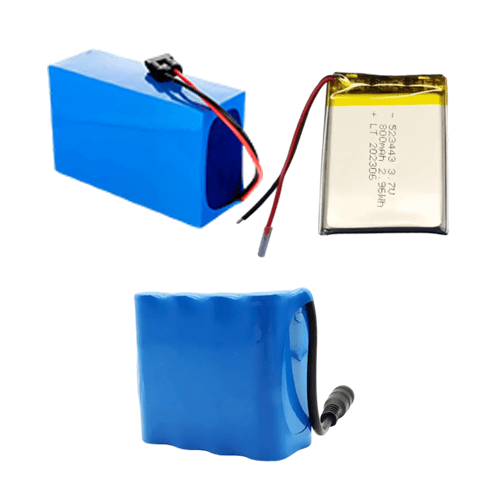
Classified by Cell Type
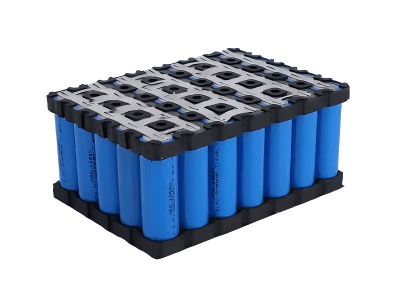
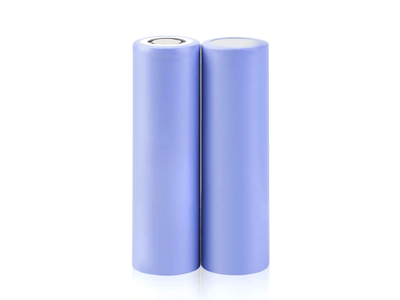
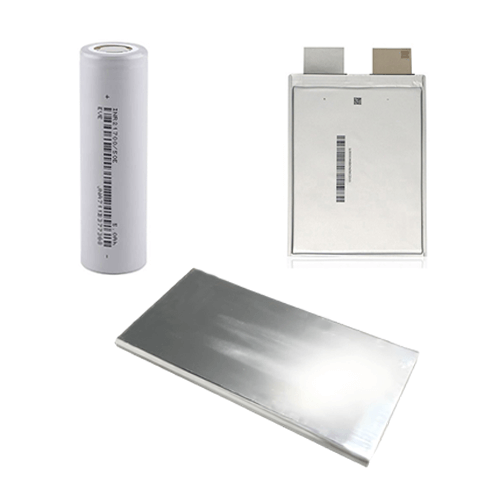
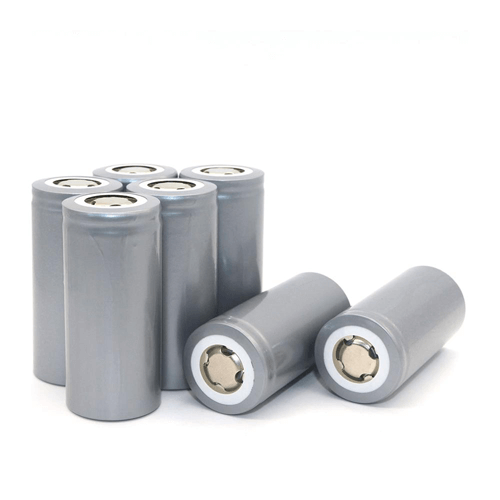
Cylindrical steel-case cell
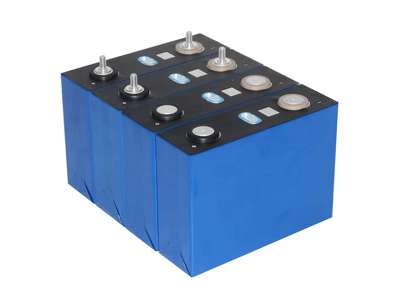
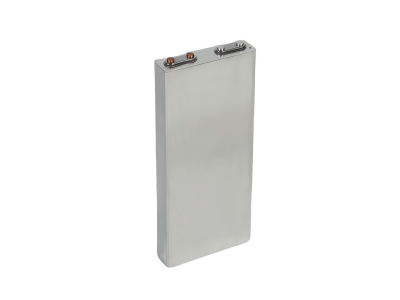
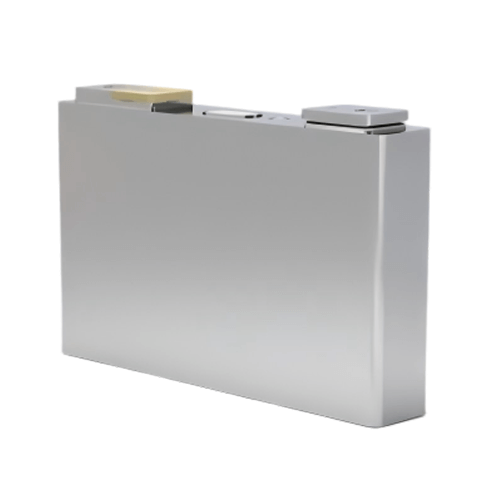
Prismatic aluminum-case cell
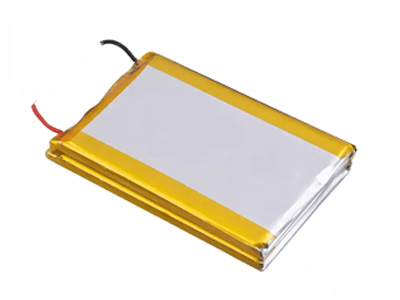
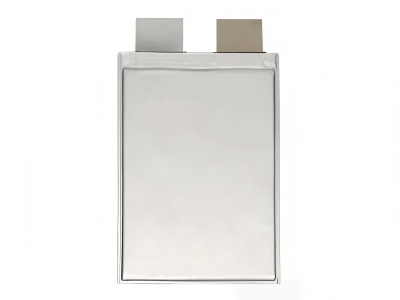
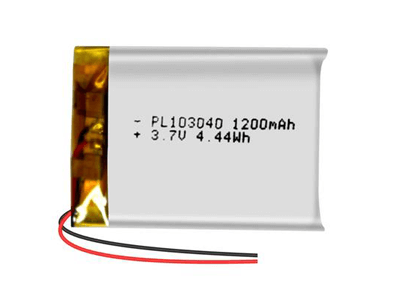
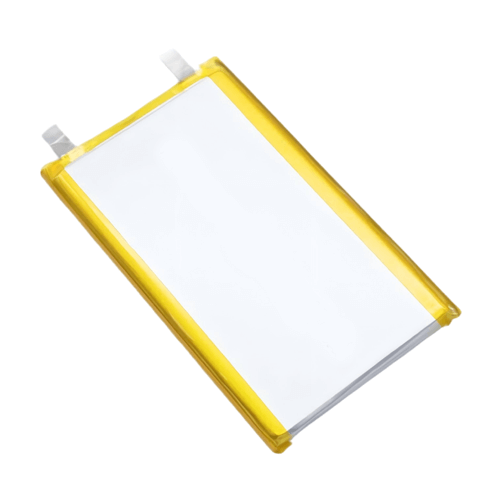
Pouch cell
Classified by Performance
Classified by Charging Speed
Classified by Cathode
Product Advantages
Certifications

CCC

CE

UL

UN38.3

PSE

KC

BIS

RoHS

IEC

TUV

MSDS
Product Display